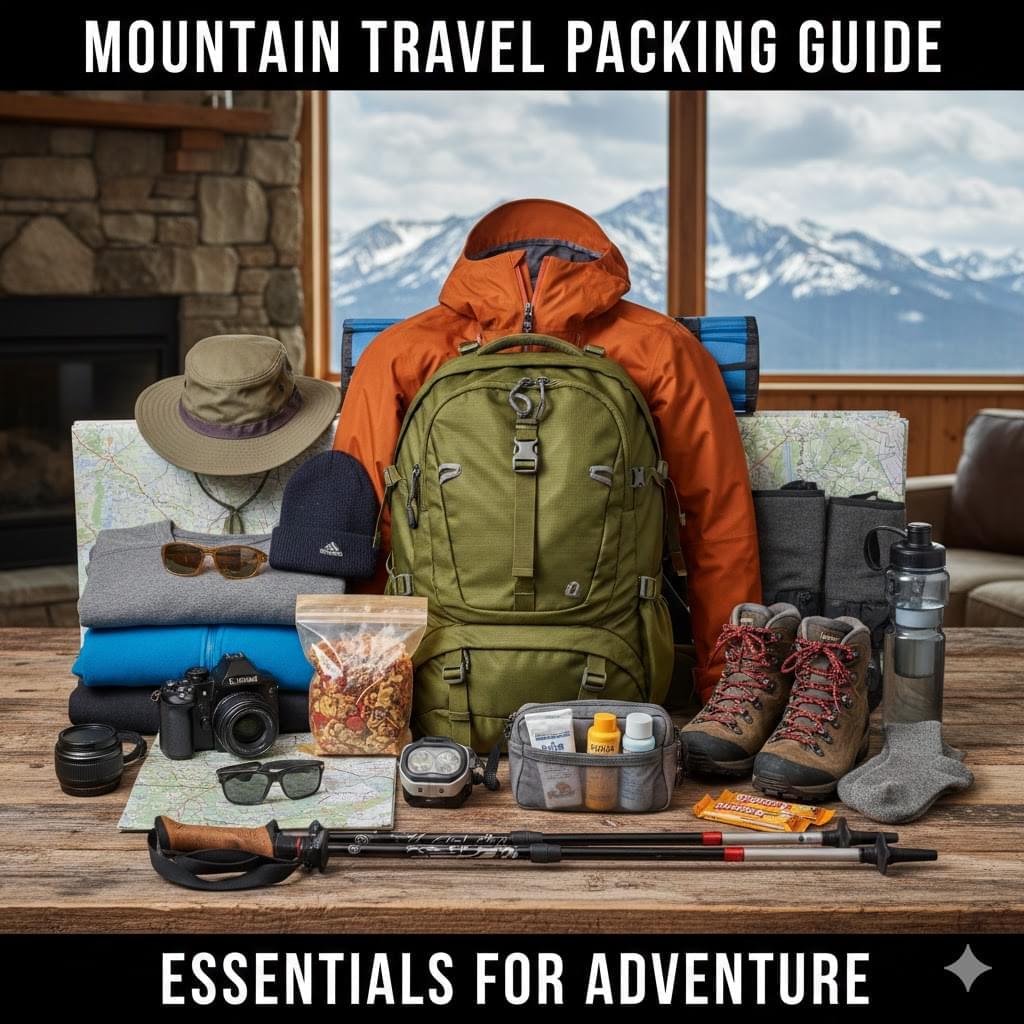
Introduction
Mountain trips are refreshing, adventurous, and full of breathtaking views. But packing for the mountains is different from packing for a city or beach vacation. Weather changes quickly at higher altitudes, temperatures drop sharply in the evening, and you may spend more time walking or hiking than expected. That’s why knowing How To Pack For Travel for mountain destinations is essential for comfort, safety, and a stress-free journey.
In this detailed guide by Mountain Girl Diary, you’ll learn exactly what to pack, how to organize your luggage, and how to avoid common packing mistakes so you can enjoy your mountain getaway without worrying about missing essentials.
Understand Mountain Weather Before You Pack
The first step in How To Pack For Travel to the mountains is checking the weather forecast for your destination. Mountain weather can shift dramatically within hours. A sunny afternoon can quickly turn into a cold, windy evening. Even during summer, temperatures can drop at night, especially in hill stations and high-altitude areas.
Check the forecast a few days before departure and pack based on temperature ranges, rainfall chances, and altitude. This helps you avoid overpacking and ensures you carry the right layers.
Use the Layering Method Instead of Bulky Clothing
Layering is the golden rule for mountain travel. Instead of carrying heavy sweaters, pack lighter layers that you can add or remove easily. Layering keeps you comfortable throughout the day as temperatures change.
- Base layer: Thermal or moisture-wicking top to keep you warm and dry
- Mid layer: Fleece jacket or light sweater for insulation
- Outer layer: Windproof or waterproof jacket for protection
Mountain Girl Diary recommends breathable fabrics that don’t feel heavy and dry quickly if the weather turns damp.
Pack the Right Footwear for Uneven Terrain
Footwear is one of the most important parts of How To Pack For Travel for mountain destinations. You’ll likely walk on steep roads, rocky paths, or uneven trails. Stylish shoes are not enough. Comfort and grip matter most.
- Hiking shoes or trekking boots with good grip
- Comfortable casual shoes for sightseeing
- Extra pairs of socks (wool socks are great for cold areas)
If rain or snow is expected, waterproof footwear can help prevent slips and keep your feet dry.
Carry Warm Essentials Even in Summer
Many travelers assume summer mountain trips don’t require warm clothing. But evenings can be cold, and indoor rooms may feel chilly. When planning How To Pack For Travel for the mountains, always pack a few warm essentials.
- Light wool sweater or fleece
- Thermal innerwear for high-altitude areas
- Warm scarf or muffler
- Beanie or cap to protect your head from cold wind
- Gloves if you’re visiting snowy spots or very high altitudes
Don’t Skip Weather Protection Gear
Weather can change suddenly, so protection gear should be part of your mountain packing list. These items are small but extremely useful:
- Compact umbrella or rain poncho
- Waterproof jacket or windcheater
- Sunglasses (UV exposure is stronger at higher altitudes)
- Sunscreen (SPF 30+ recommended)
- Lip balm with SPF (prevents cracked lips in cold air)
Mountain Girl Diary suggests keeping these items in your day bag so you can access them quickly when needed.
Pack a Day Backpack for Sightseeing and Hikes
A small day backpack is essential for mountain trips. It helps you carry your daily essentials without dragging your main luggage everywhere.
- Reusable water bottle
- Snacks or energy bars
- Power bank and charging cable
- Camera or phone for photos
- Light jacket or rain cover
This makes How To Pack For Travel easier because your important items stay organized and within reach.
Include Health and Safety Essentials
Mountain travel may involve altitude changes, long drives, and limited access to pharmacies. A small health kit can prevent minor problems from becoming major issues.
- Personal medicines and prescriptions
- Basic first-aid supplies (band-aids, antiseptic cream)
- Pain relief tablets
- Motion sickness medicine (useful for winding roads)
- Hand sanitizer and wet wipes
If you’re traveling to high altitude, talk to a doctor in advance if you have breathing or heart concerns.
Choose Versatile Clothing to Avoid Overpacking
A smart How To Pack For Travel tip is to pack versatile outfits that can be mixed and matched. This reduces luggage weight and keeps your bag manageable.
- Neutral tops that match multiple bottoms
- One comfortable trekking pant and one casual pant
- Light layers that can be reused across days
- One outfit for evenings or café visits
Packing cubes can also help separate items and keep everything tidy.
Keep Documents and Money Secure
Always carry your travel documents in one safe place. This is a key part of How To Pack For Travel responsibly.
- ID or passport
- Hotel bookings and tickets
- Travel insurance details
- Emergency contacts
- Cash and cards
In remote mountain areas, card machines may not work due to network issues, so carrying some cash is a good idea.
Final Packing Checklist Before You Leave
Before you zip your bag, do a quick final check:
- Weather forecast checked and layers packed
- Footwear and socks ready
- Chargers, power bank, and electronics packed
- Medicines and first aid kit included
- Documents secured in a travel pouch
This simple habit reduces stress and helps ensure you don’t forget essentials.
Conclusion
Knowing How To Pack For Travel for mountain destinations makes your trip more comfortable, safe, and enjoyable. Focus on layering, proper footwear, weather protection, and health essentials. Pack smart, avoid unnecessary bulk, and keep your daily-use items organized in a small backpack.
Mountain Girl Diary believes that the best travel memories are made when you’re prepared and relaxed. With this packing guide, you can confidently head to the mountains and enjoy every sunrise, scenic trail, and cozy evening without worrying about what you forgot at home.